Passion, the seed of change.
Lauricenia Buque ’26, a computer science major at Concordia and a recipient of the Projects for Peace grant, has always had a passion for education. Rooted in both her parents being teachers and having a teacher who made a profound impact, she believes that education is, or can be, a transformative power.
The root of FutureReady
This past summer, Buque traveled to Chokwe, Mozambique, a few hours away from her hometown, to carry out her project, FutureReady. FutureReady stemmed from her desire to address low school retention rates, which were attributed to low motivation, a lack of career guidance, and a lack of success stories from their communities.
In Chokwe, Buque remembers asking the students, “What do you want to do in the future?”
Some of them couldn’t answer the question, gave the same answers, or answered with generic careers, which Buque attributed to the fact that they hadn’t been exposed to many career paths.
About the project
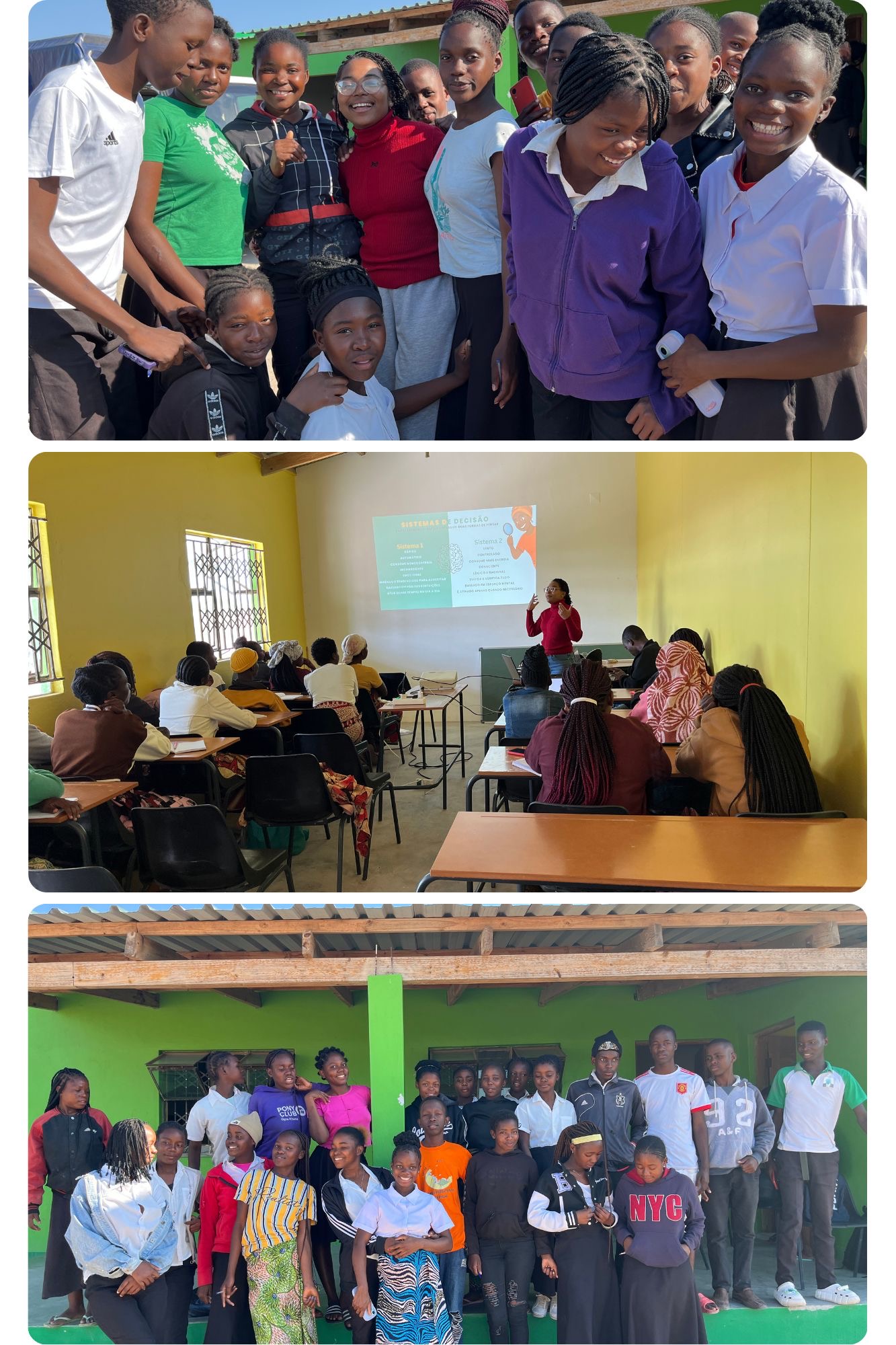
For her project, FutureReady, Buque partnered with a local organization, Mozambique School Lunch Initiative, to target students’ creativity and hone their entrepreneurial mindset. The project, FutureReady, aimed at getting students to think out of the box and create business solutions, because, as Buque said about Mozambique, “back home, the reality is that we lack jobs. So we need students to create their own opportunities.”
To develop the entrepreneurship aspect of the program, she took an entrepreneurship course offered at Concordia and partnered with the organization that offered that course. They helped her adapt it to her target audience. The entrepreneurship program relied heavily on real experiences, so she had to interview entrepreneurs back home and then translate the information into Portuguese (her first language) to be able to teach the students.
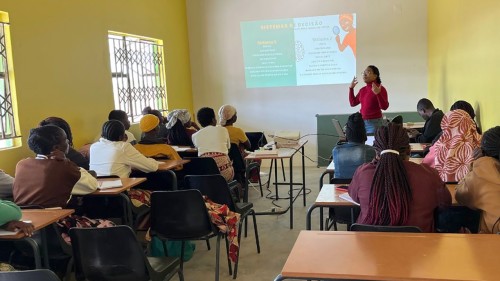
The other focus of the FutureReady project was on offering career guidance to the students. Buque was able to find a career coach to talk to the students about how to turn passion into a career and engage with the students on the topic of “having the freedom to dream regardless of the obstacles that you see.”
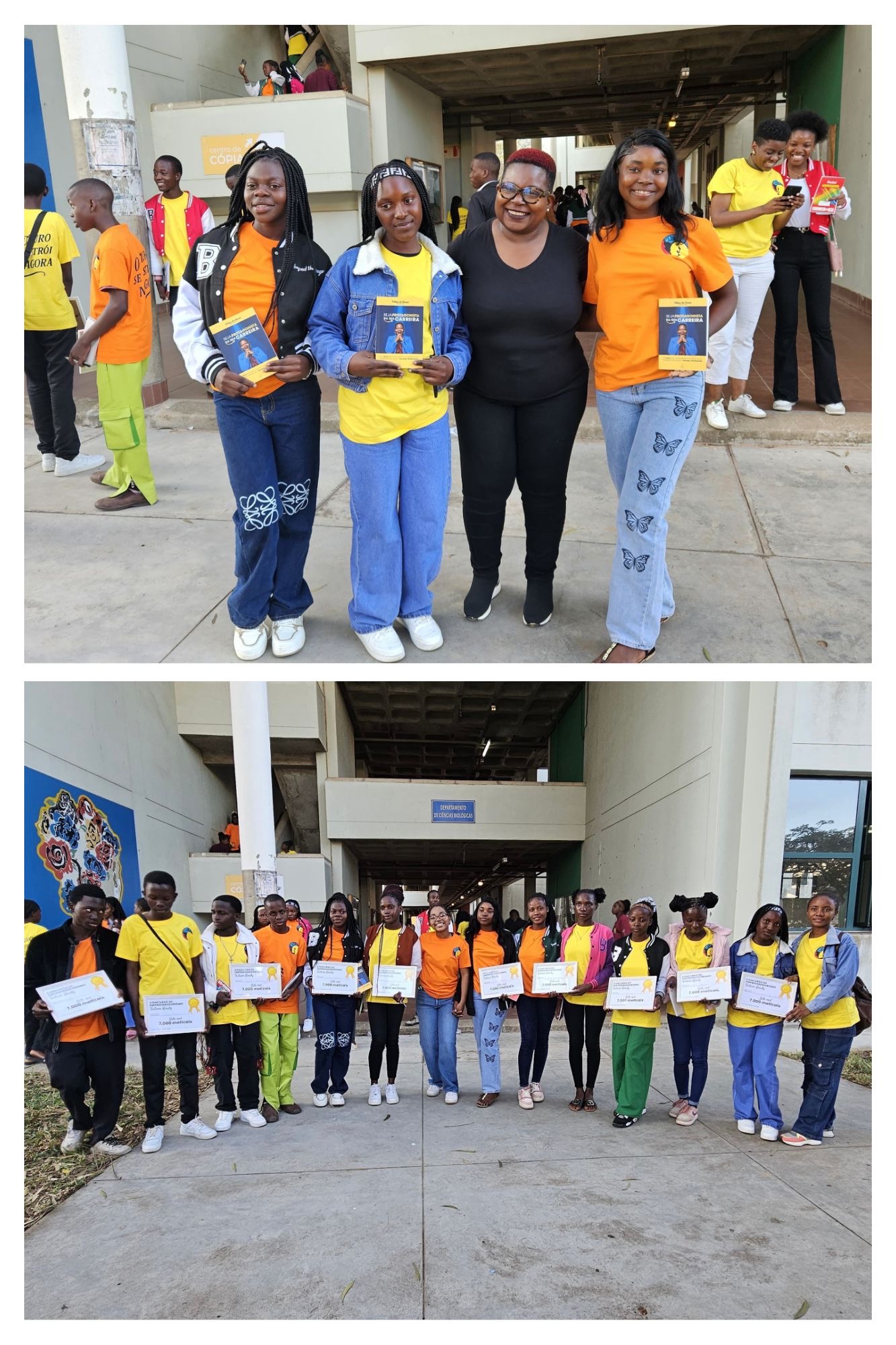
At the end of the FutureReady program, there was a final project. In relation to the entrepreneurship aspect of the program, the students needed to develop a business idea and run the business. The business idea was based on the students’ business solutions to a problem in their community.
Challenges she faced
By the end of the summer, Buque learned a lot, especially from her struggles. For example, at the start of the program, she didn’t know where she would be able to stay because the town was four hours away from the city. Then the organization she partnered with, MSLI, set her up with a host family in the community, with whom she could live, who also accommodated her and her mum.
Buque says the organization was very helpful and accommodating. However, she also recalls a few challenges that she faced working with them. MSLI had its own agendas and its own ways of doing things, so breaking their flow to accommodate this external yet internal project, especially with her being new to the environment, was an adjustment for all of them.
Additionally, she also highlighted a coordination issue with MSLI — it was difficult to coordinate the distribution of iPads from the organization, as she needed them during the sessions in some communities that didn’t have projectors. However, Buque said that MSLI tried to manage to the best of their abilities as challenges or issues arose.
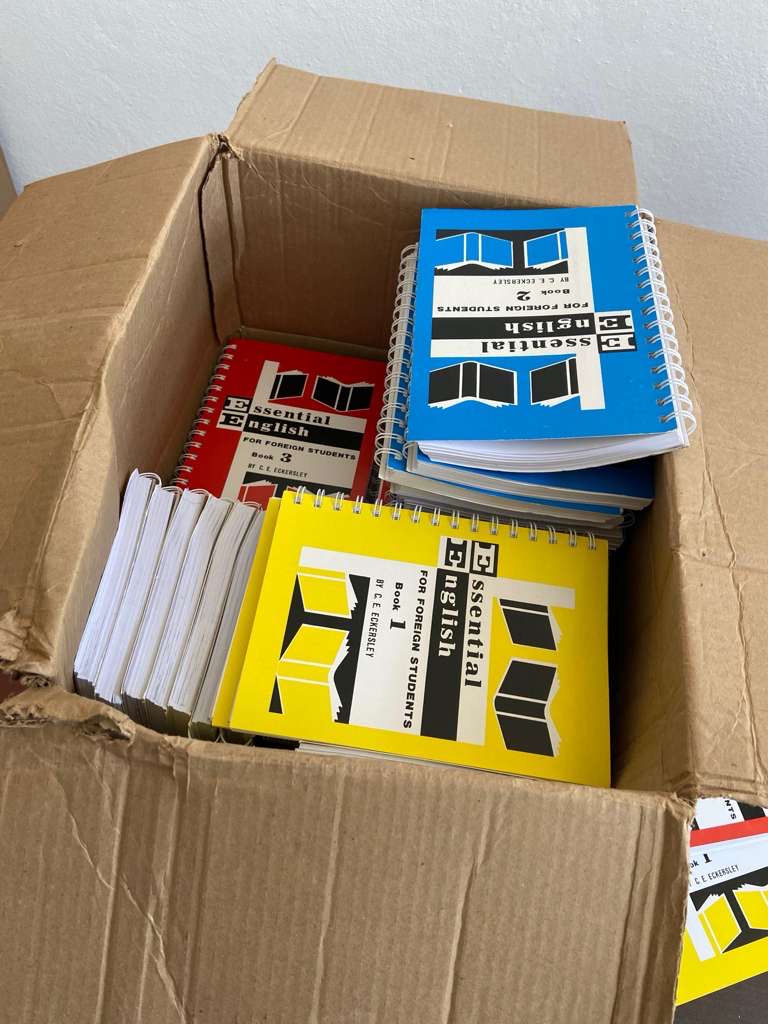
Another challenge she encountered was that the students weren’t very fluent in Portuguese (the national language), as they spoke their tribal language. She found this especially difficult and had to find a translator or explain the meanings of certain Portuguese words. This slowed down the progression of the sessions.
Overall, she learned to be more insistent with things and also to plan for the unplannable.
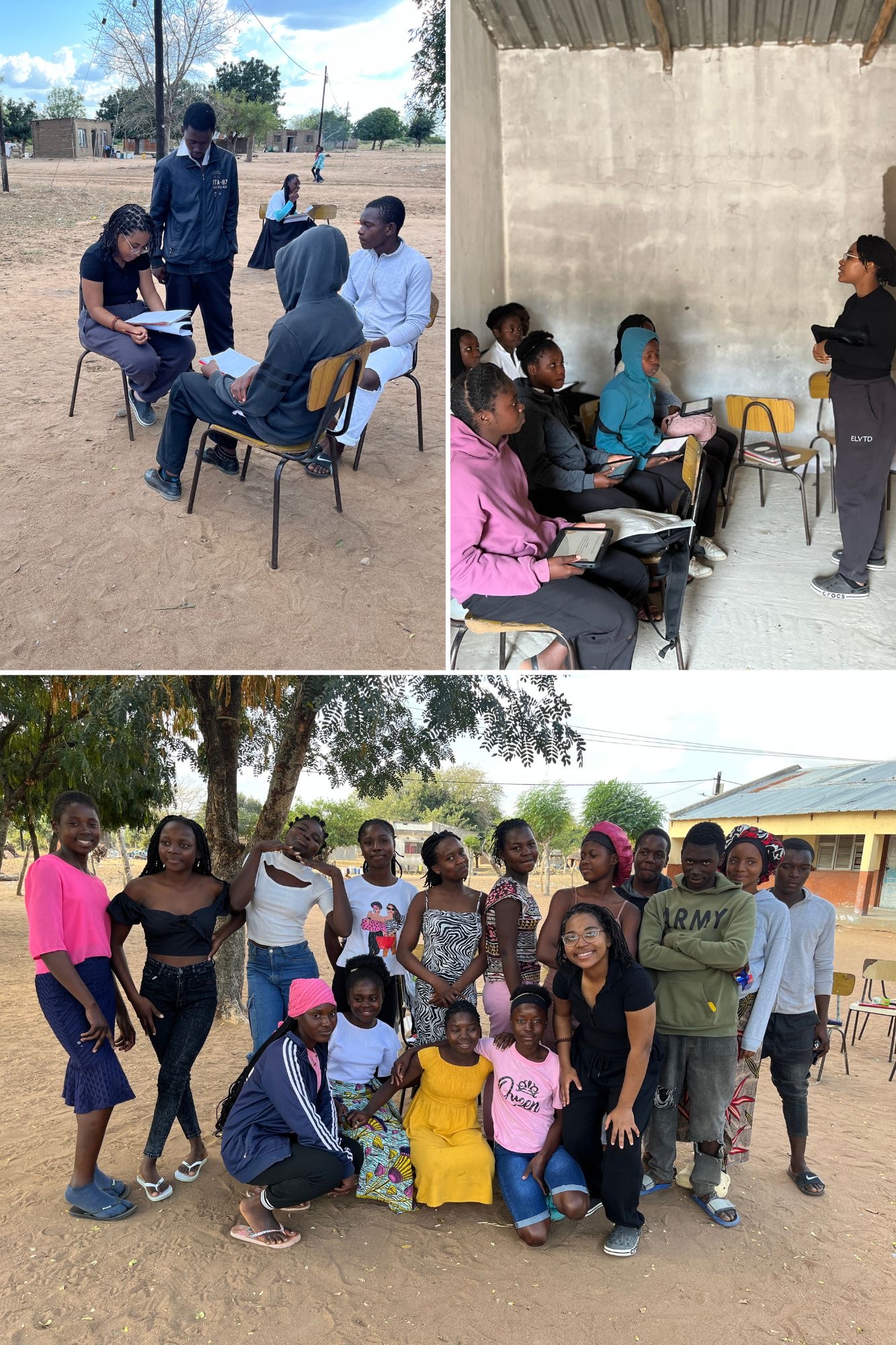
Highlights of the project
Her favorite part of the project was the students’ thirst for knowledge and for learning, their curiosity, and the progress they made. Some students didn’t start excited, but later were happy, and they got a clear direction for their future, what they want to be, or other career paths they could consider.
Another highlight was at the end of the project, during the last activity with the career coach. During that session, the career coach asked the students, “Who knows Mana (older sister) Lauricenia’s dream?” and one of the students said, “Her dream is for our dreams to come true.”
And Buque recalls thinking they understood what the project was about: for them to understand that people want the best for them, and people want to support them, and that dreaming and working toward your dreams is important.
Overall, Buque is grateful for the Projects for Peace grant and the opportunity it gave her to give back to her country, and for the organization MSLI, which all aided her in fulfilling her vision for the project.
— Written by Nadira Kakonge ’27